


Discovering... la Lomagne


Version françaiseVersion espagnole
Home
Site Map
Your search   OK
 

Greenfinch

The Life in Lomagne

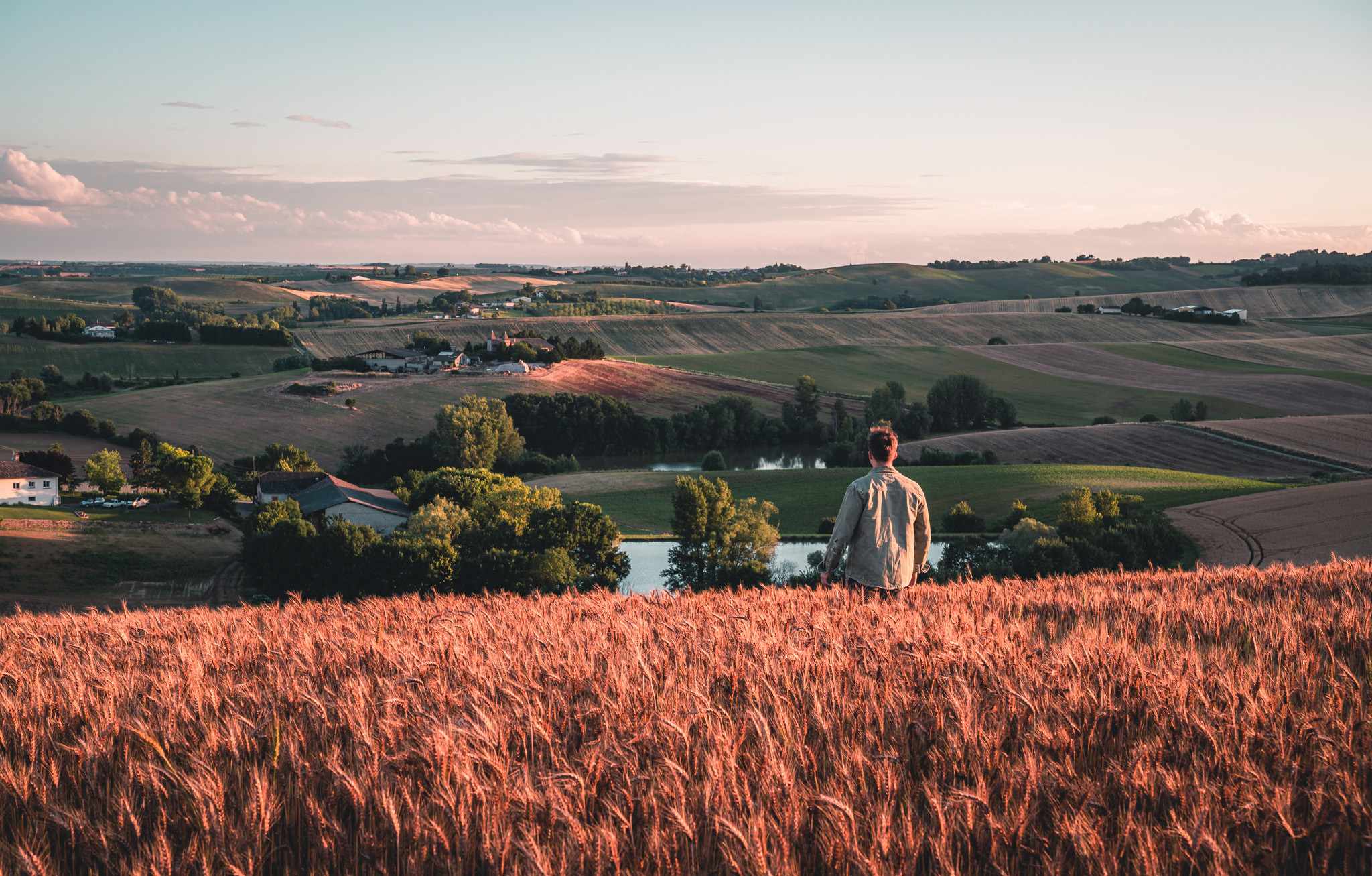
Small coloured valleys and charming woods make up an unique landscape where human being and wildlife have found a welcoming home: the Lomagne.


THE HABITAT in Lomagne

Farms with "lomagne" porches are spread out over the rolling countryside: wattle, mud, clay, fired bricks, big sloping roofs reaching the ground…

These farms shelter the traditional garlic drier.  The drying phase is very important in the garlic cultivation process, that’s why farmers take care on adopting a natural drying method.  Under lean-tos, exposed to the wind, the garlic traditionally harvested in St John’s day (summer day), is hung in sheaves of 5 to 8 Kg over some chestnut spars; then the garlic is “worked”, that is peeled, plaited…

During your walking tours you will find the same drying system, independent from the family house, in old sheds or under new metallic constructions.  Every farm, built in the typical “Lomagne” style or not, has a garlic drier, witness to the important role in the garlic cultivation.


Farm Gimat

Fired bricks and wood


Hedges in Lomagne

THE FLORA

CULTIVATION

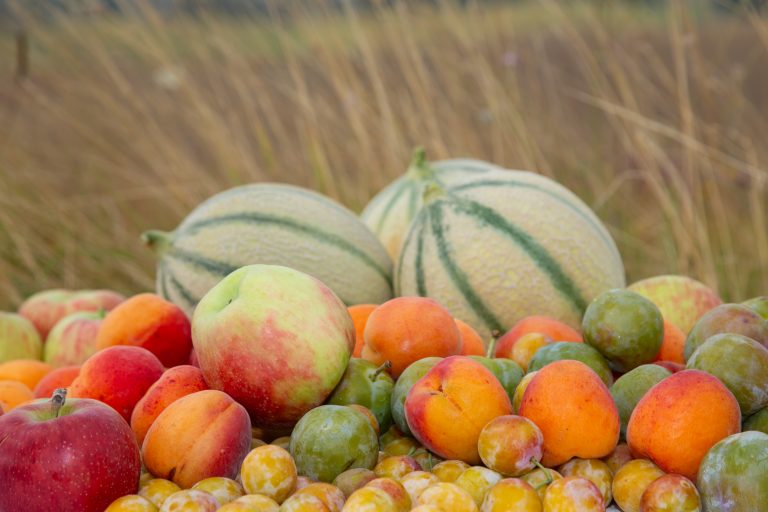
Yellow is the dominant colour in Lomagne.  It covers the rolling countryside with unique images from Spring to Summer.  March is the month of the colza (oil seed rape), with its brilliant yellow shade.  In July and August the sunflower takes over with its softer yellow turning afterwards to orange.  Both, the colza and the sunflower are produced for their oils.  The Lomagne is a polycultural region (wheat, barley, sorgho, maize, garlic, melon, soya, sunflower...) with an increasing development of arboriculture (apple tree, hazelnut, plum tree, chestnut tree...).

FLOWERS

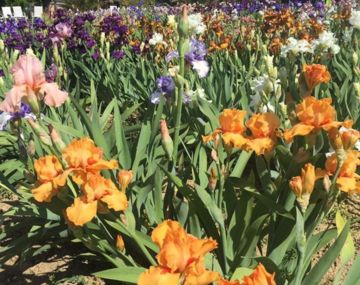
All along the walking trails you will recognise the marigold, the thistle, the creeper, the red clover, the butter cup, the campanula, the poppy, the heather, the daisy, the orchid…

FUNGI

Maybe you will be lucky and you will find all along the walking trails: boletus, Caesar's mushrooms, chanterelles, “tremouls” (similar to the boletus but with lighter stem and a longer foot). 


TREES

You will find the oak, the chestnut, the maple, the ash, and the hazelnut.  Along the rivers you will recognize the willow, the elm, the poplar.  

HEDGES

They are made of small shrubs like the acacia, the elder, the red elms, the pine, the wild rose or bramble …


THE FAUNA

All the animals having chosen their home in Lomagne like the temperate climate.  Most of them are birds spending only some months in our region to breed: nightingales, hoopoes, swallows, blackcaps, cuckoos.  As for the mammals, most of them are predatory animals: stone martens, foxes, weasels… and the rest of them are game animals: hare, wild boar, roe deer, pheasant, partridge…

BIRDS

The Coal Tit : lenght 13 cm.  The upperparts are a olive-grey, the underparts buff coloured. The crown and large bib are black, while the cheeks and nape are white.  It is an acrobat.  Its favourite nesting site is a hole in a rotting tree-stump, often low down.  Insects, beech mast and conifer seeds are among the Coal Tit's natural diet.

Night Heron: length 60 cm.  They have a black crown.  Young birds are brown, flecked with white and grey. These are short-necked and stout herons.  These birds stand still at the water's edge and wait to ambush prey, mainly at night. They primarily eat small fish, aquatic insects, and small mammals.

MAMMALS

The Roe Deer: shoulder height of 60-80 cm.  It has rather short, erect antlers and a reddish body with a grey face.  Only the males have antlers.  It is the smallest european deer.  It feeds mainly on grass, leaves, berries and young shoots.

The Coypu: body length 70 cm-1 metre.  It has been introduced from South America.  Coypu can also be mistaken for another widely dispersed semi-aquatic rodent that occupies the same wetland habitats, the muskrat (which does not live in the Lomagnol).  They can also be identified by their bright orange-yellow incisor teeth.

LITTLE NOISY CREATURES

Grey cicada: lenght 3-4 cm.  Cicadas live near pines and oaks and  they are the loudest and most efficient sound-producing insects in the world.

Crickets: height of 2-2,5 cm.  They have somewhat flattened bodies and long antennae.  Crickets are known for their chirp (which only male crickets can do).

IN OUR LAKES

You can fish zander, pike, roach, carp, bleak, trout, crayfish, black-bass and trench…

Tourterelle des bois

Palombe

Lièvre

Insecte


Interactive CARTOGRAPHY
Office de Tourisme Intercommunal de la Lomagne Tarn et Garonnaise
3, rue Pierre Fermat - 82 500 Beaumont de Lomagne
Tel : 05.63.02.42.32
Email : contact@tourisme-en-lomagne.com - Votre avis sur le site